Year: 2025
Co-Authors: Developed by a multidisciplinary team including Lucio de Souza, Daniella Urrutia, Lucía Bogliaccini and Pablo Frontini (Project Coordination), with key advisory from Santiago Cola (Landscape), Analía Gandolfi (Water Sensitive Design), Maite Lacava (Communication & Design) and Bethania Lanzaro (Carbon Assessment).
Client: Ministry of Transport and Public Works (MTOP, Uruguay)
Role: Sustainability Advisor & Coordinator
Tags: Regenerative Urbanism | Nature-Based Solutions (NBS) | Water Sensitive Urban Design (WSUD) | Decarbonisation Strategy | Integrated Waste Management | Environmental Financing Models
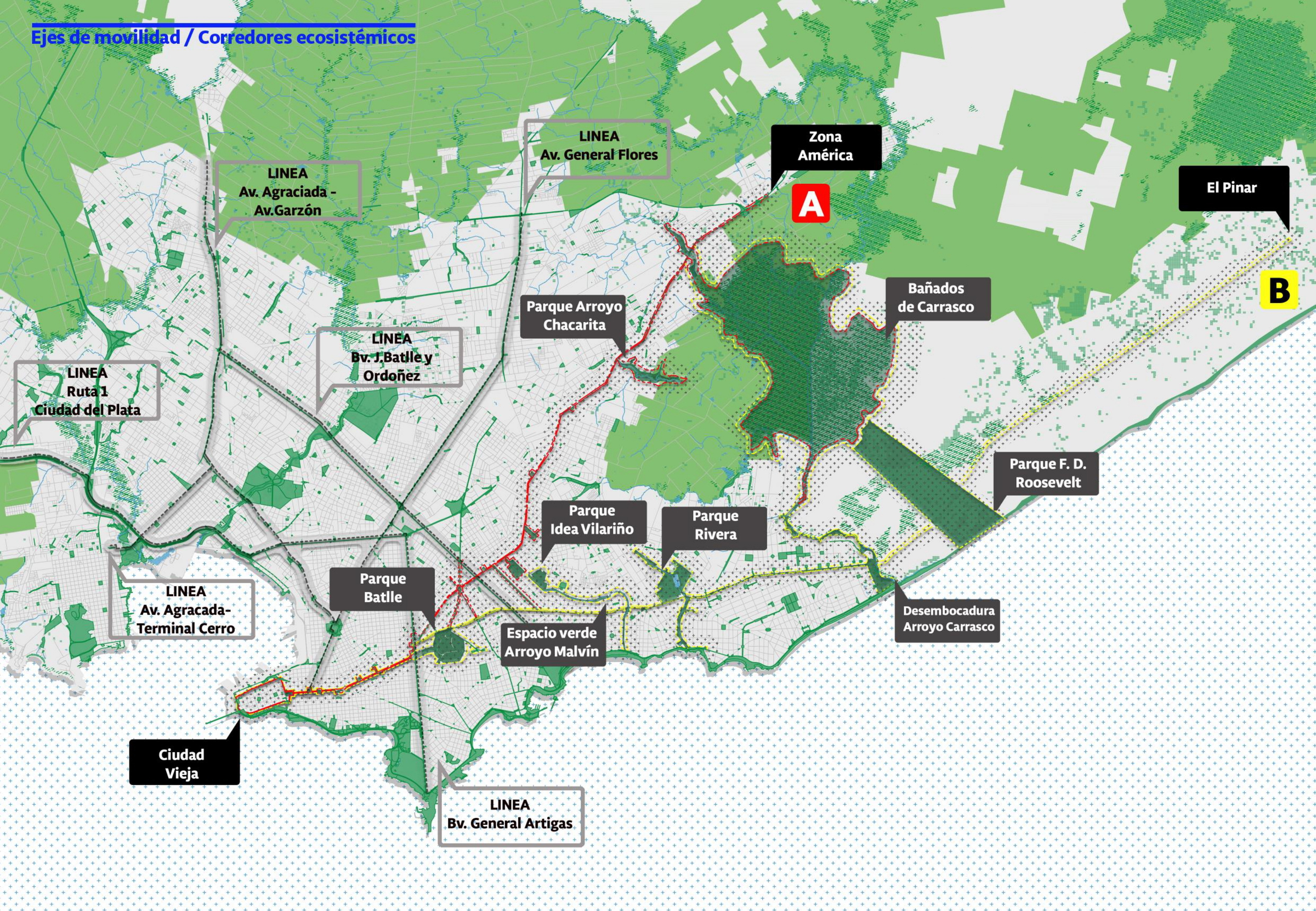
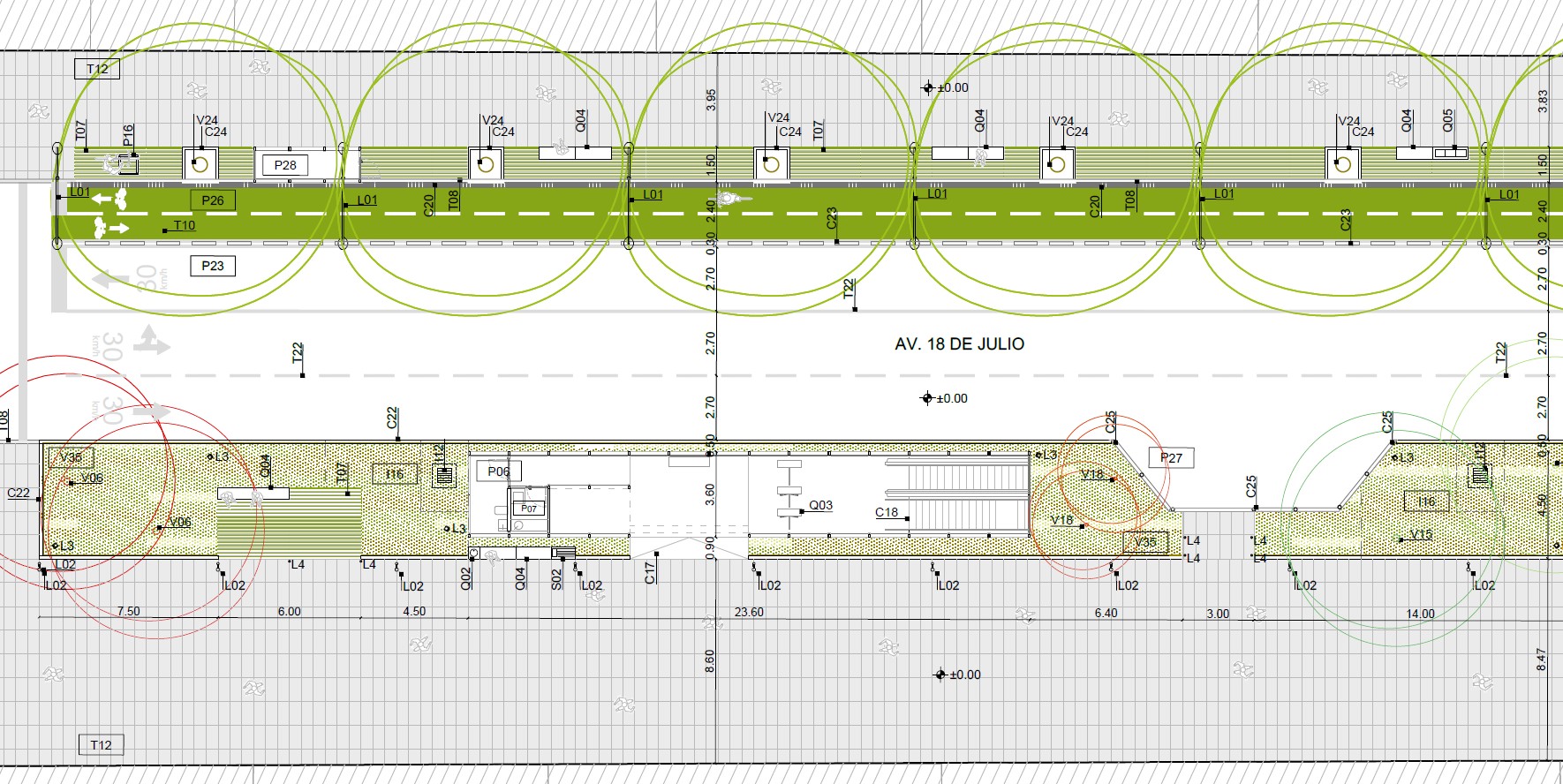
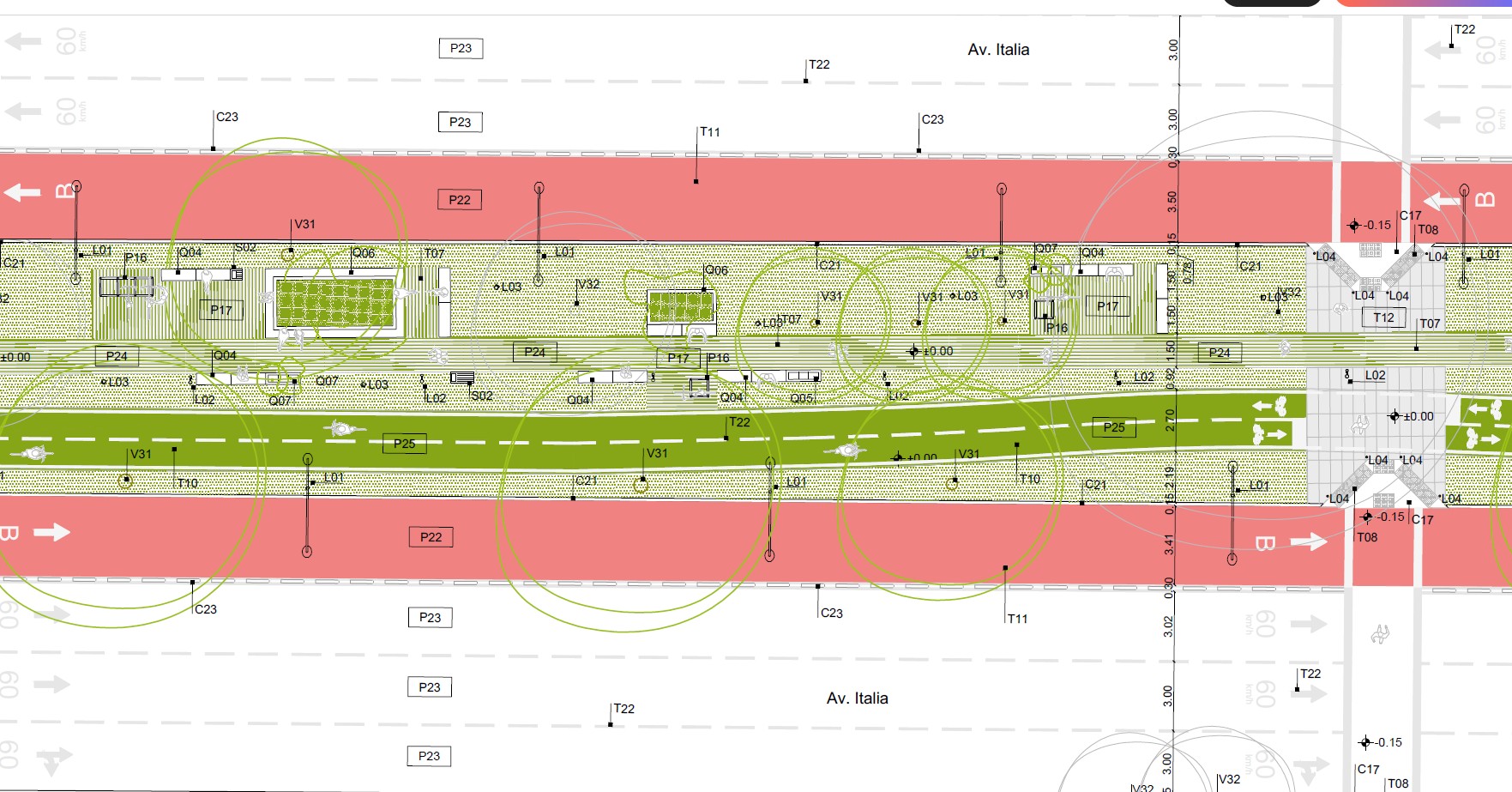
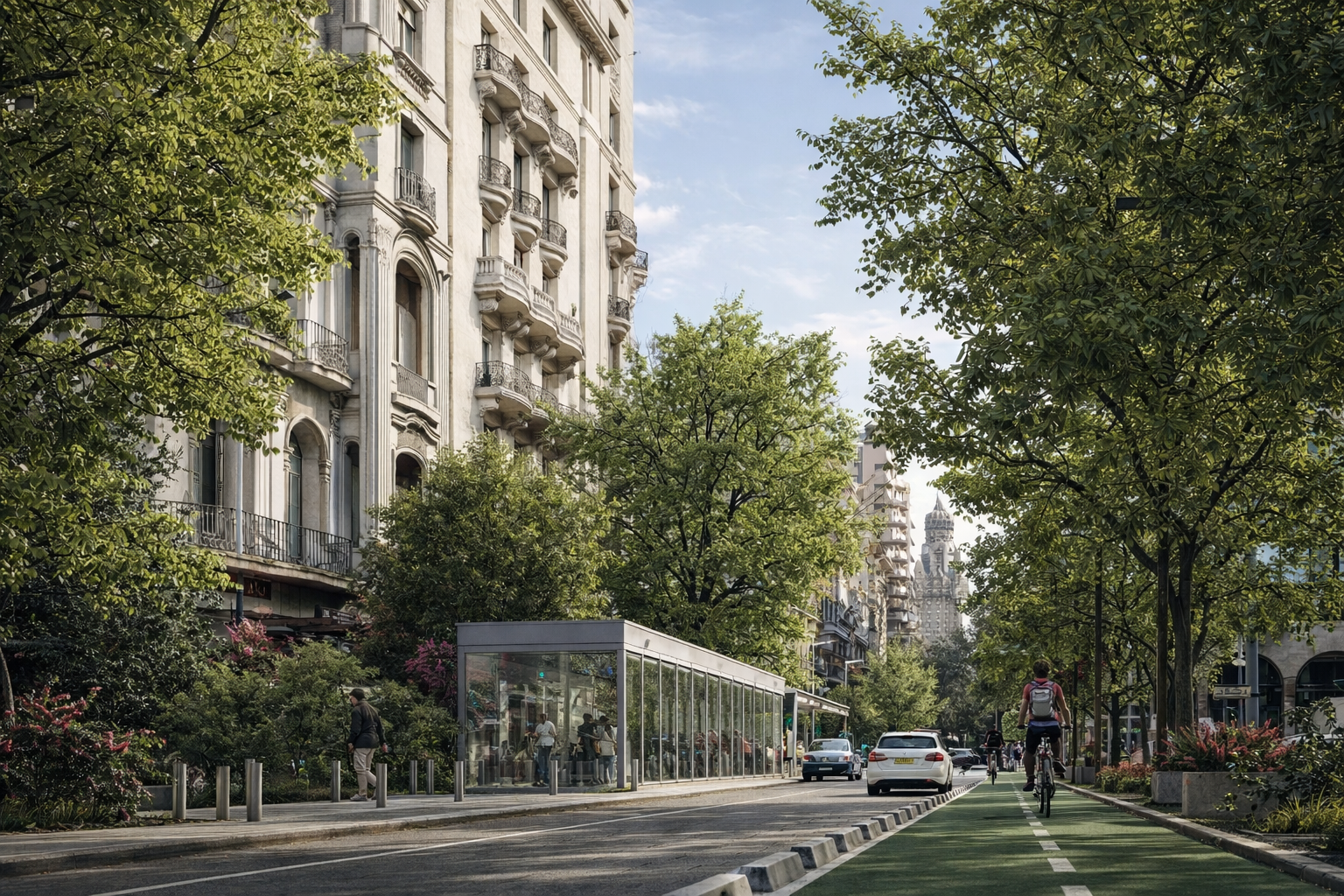
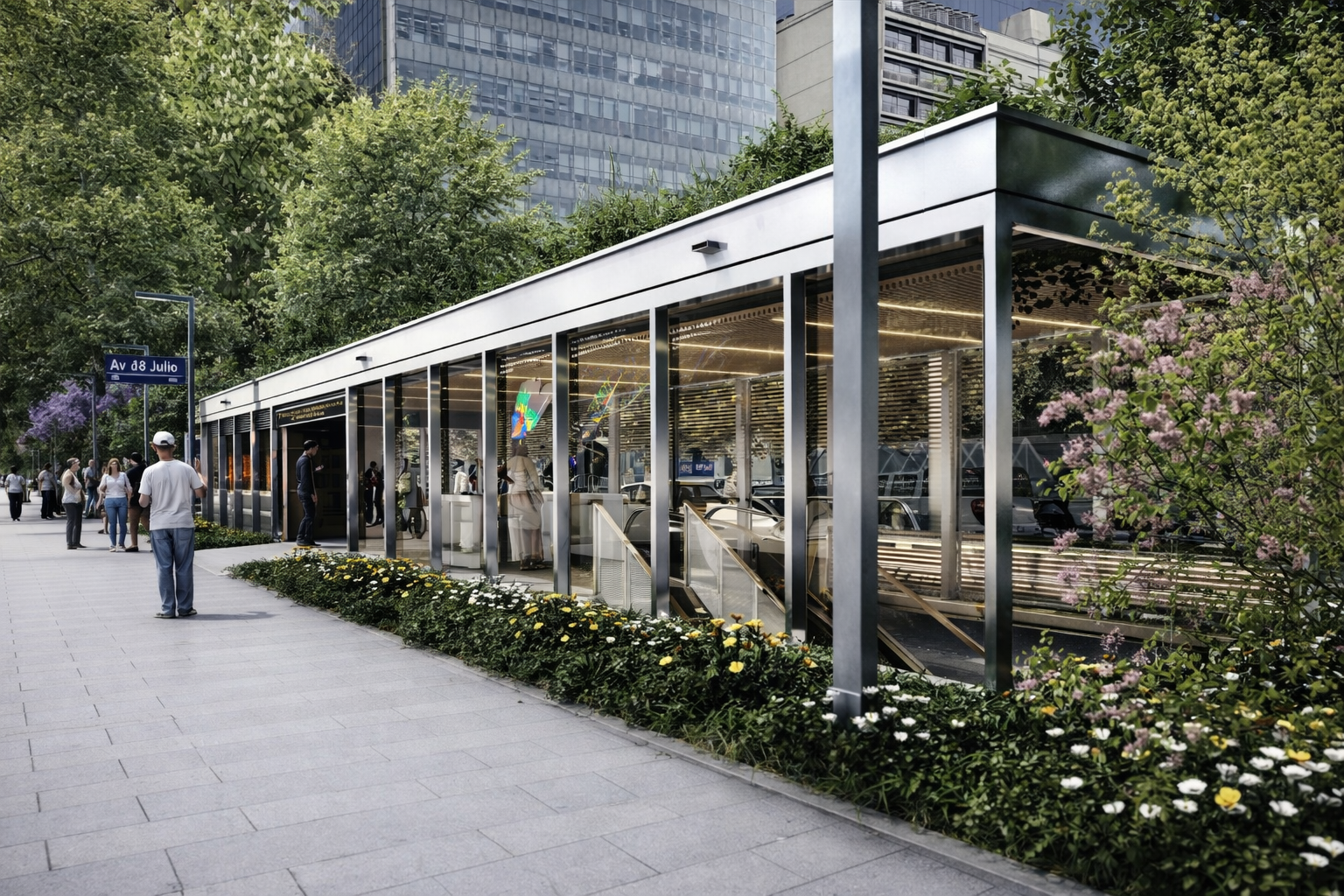
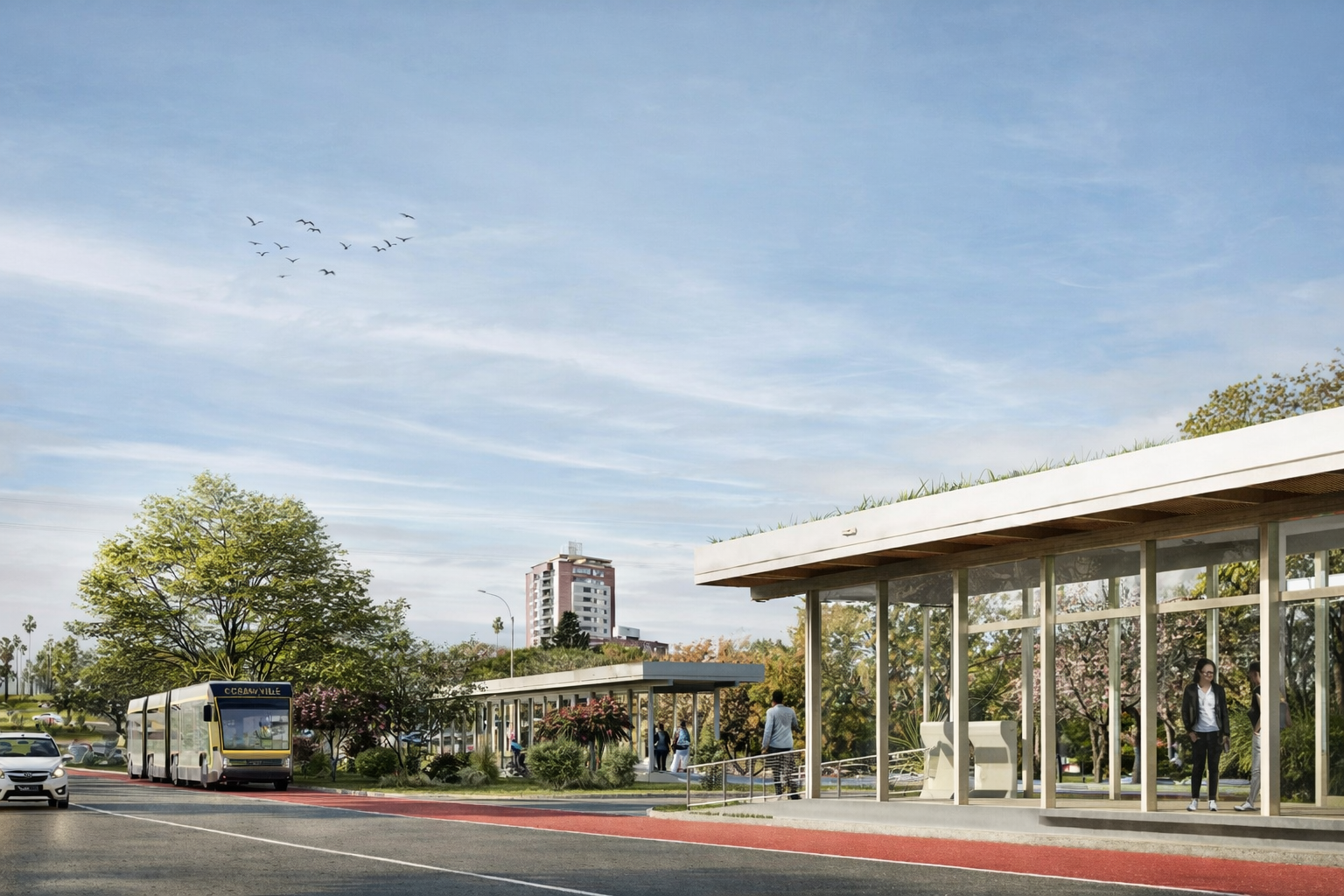
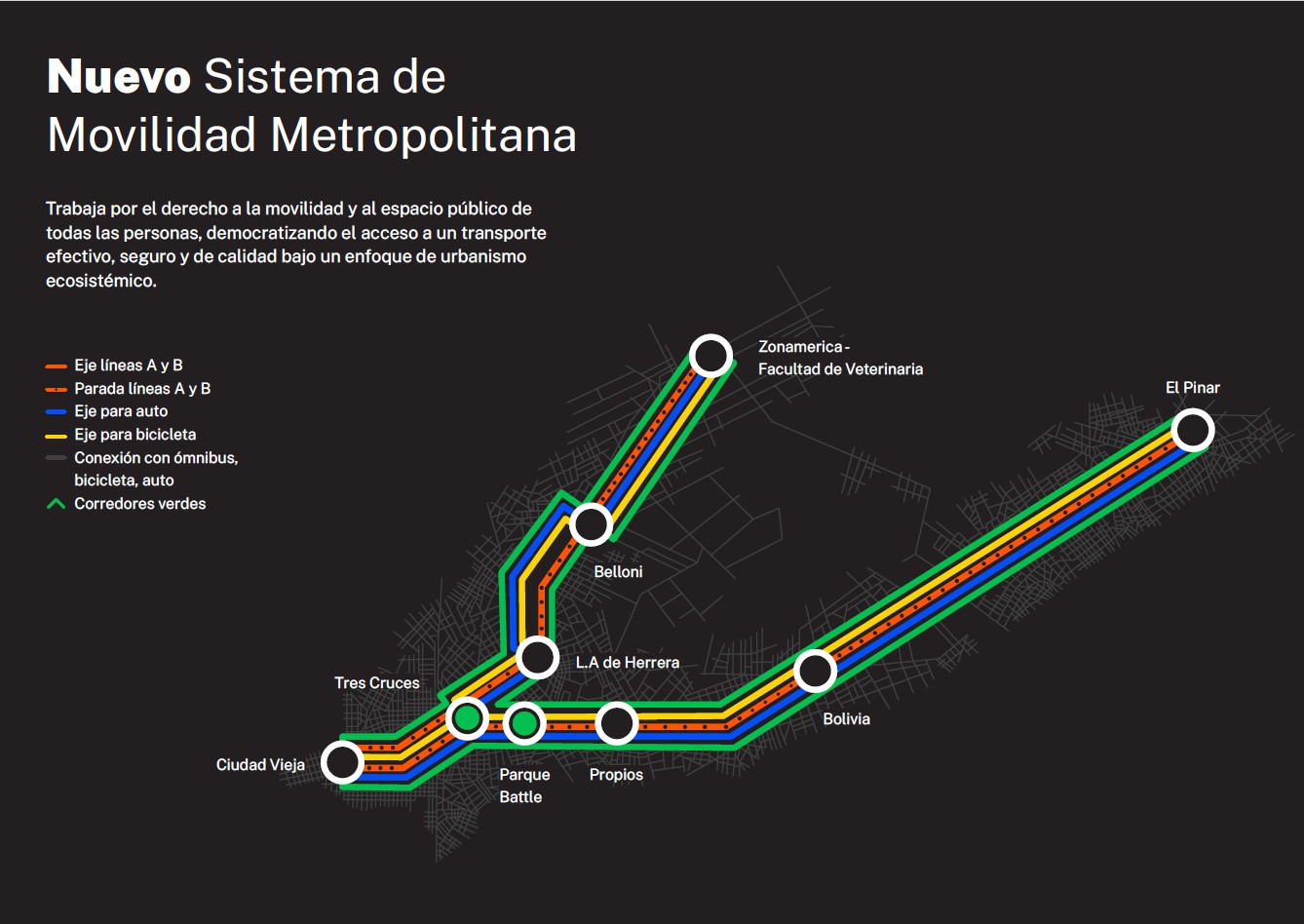
The Montevideo Metropolitan Mobility System proposes a structural transformation of the city’s transit network, prioritising High-Frequency Lines (LAF) within an Ecosystemic Urbanism framework.
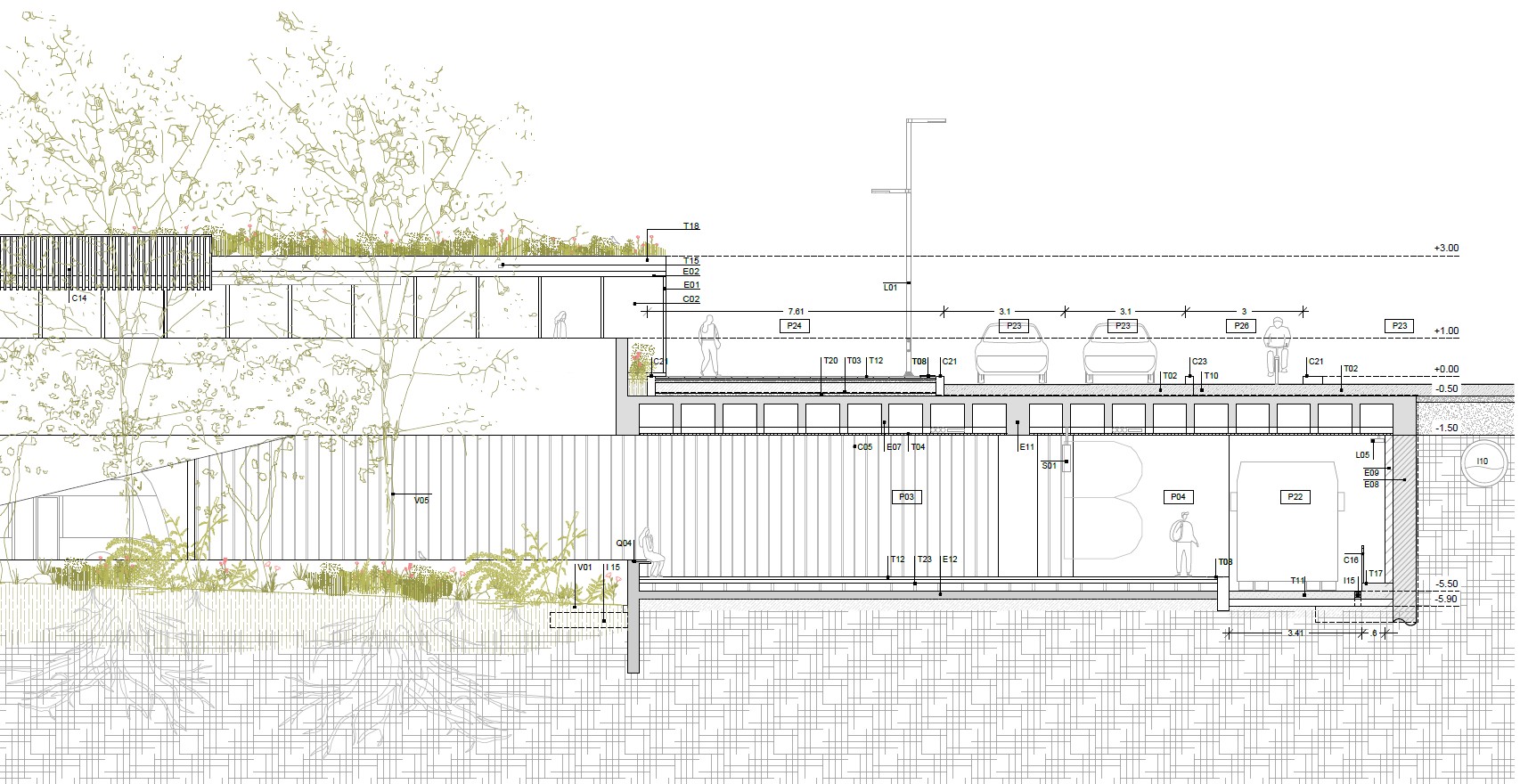
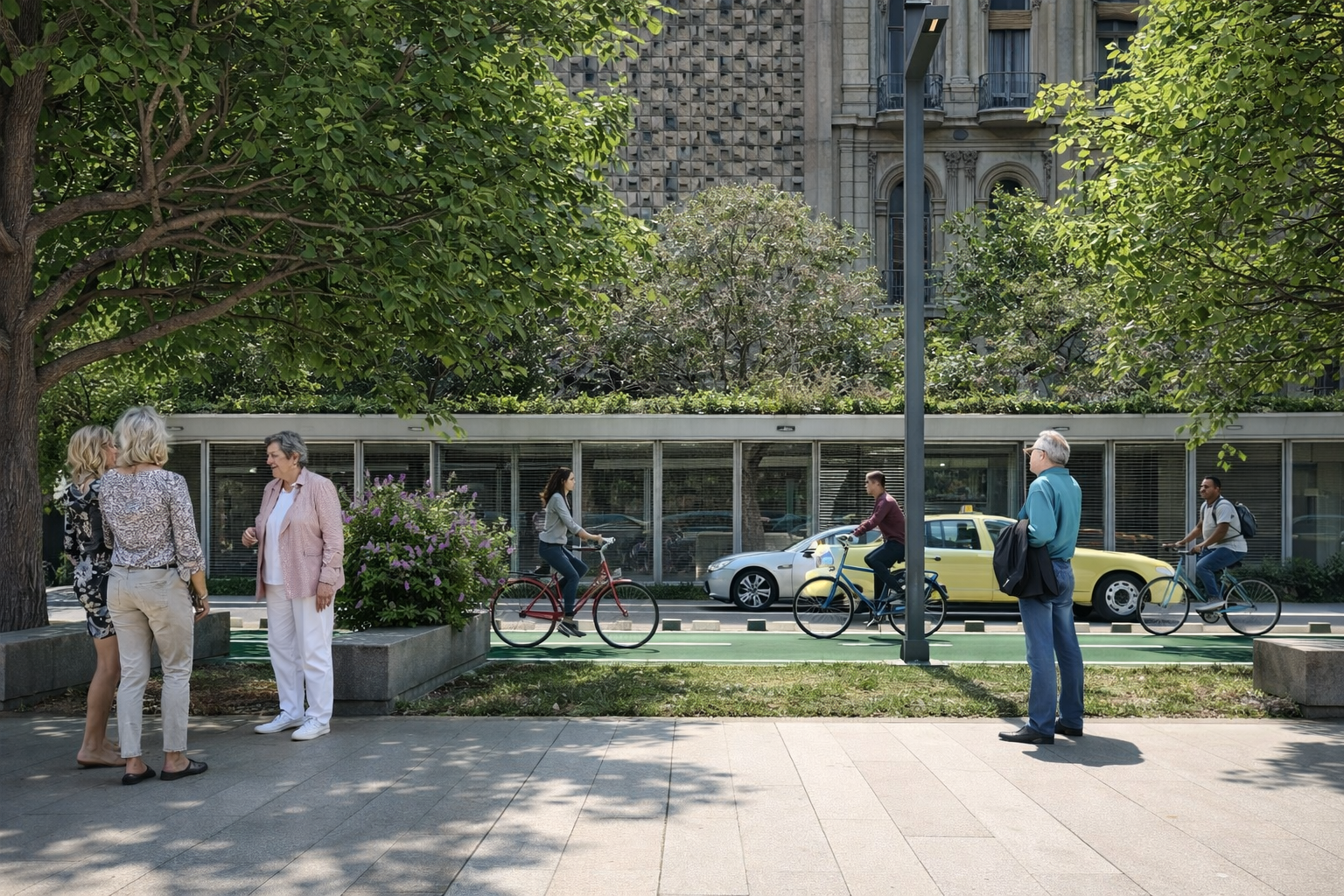
The project goes beyond traditional infrastructure by integrating ecological functions into the metropolitan fabric, positioning mobility systems as environmental assets.
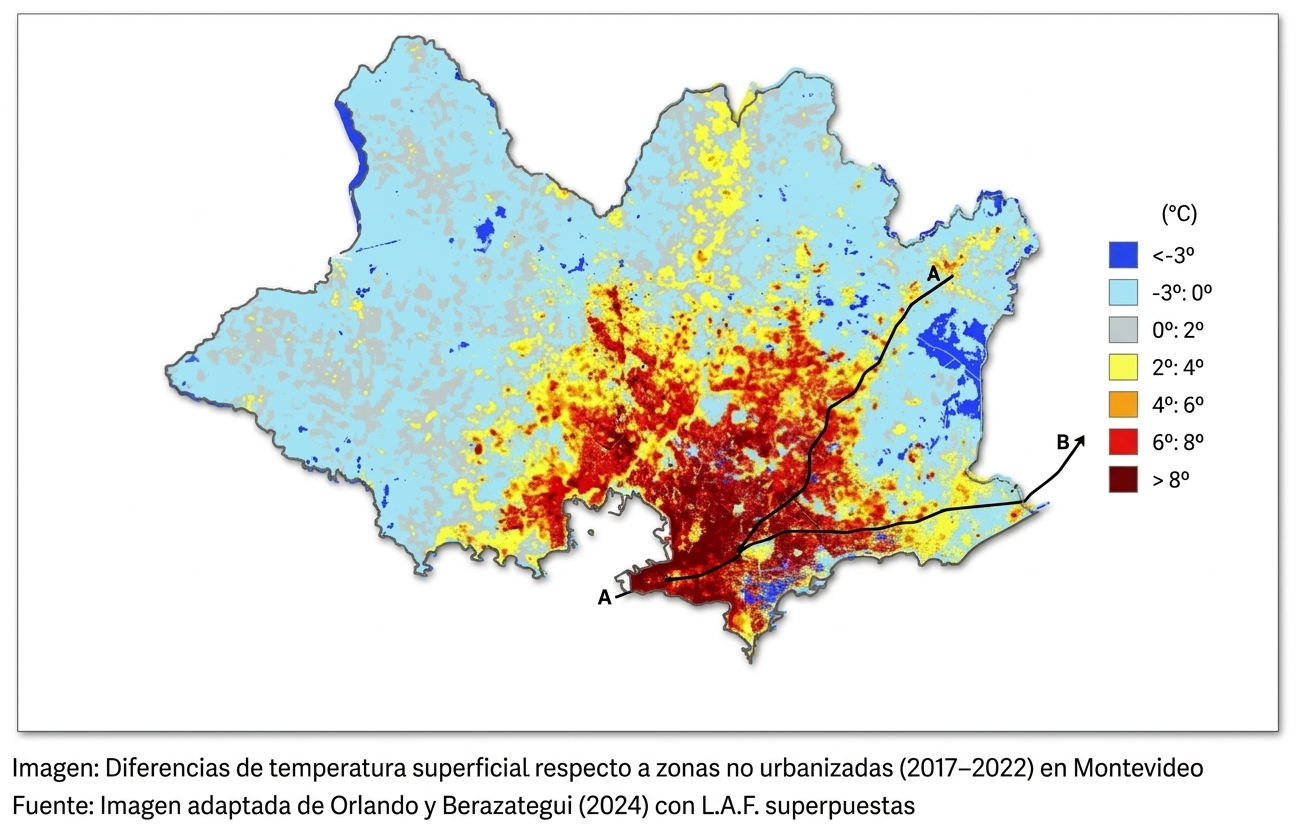
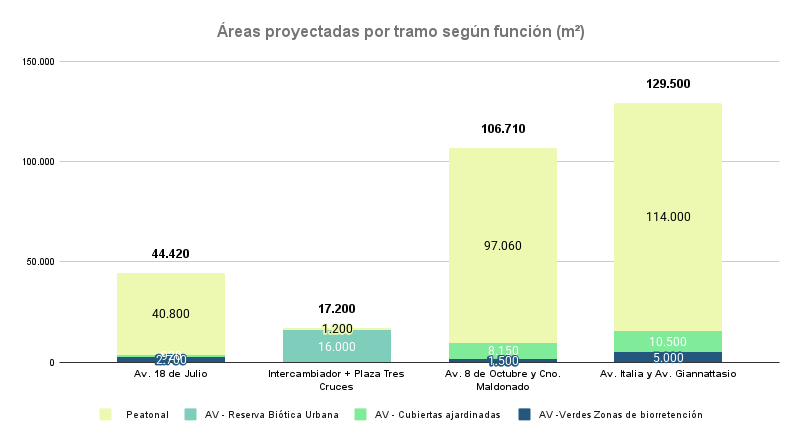
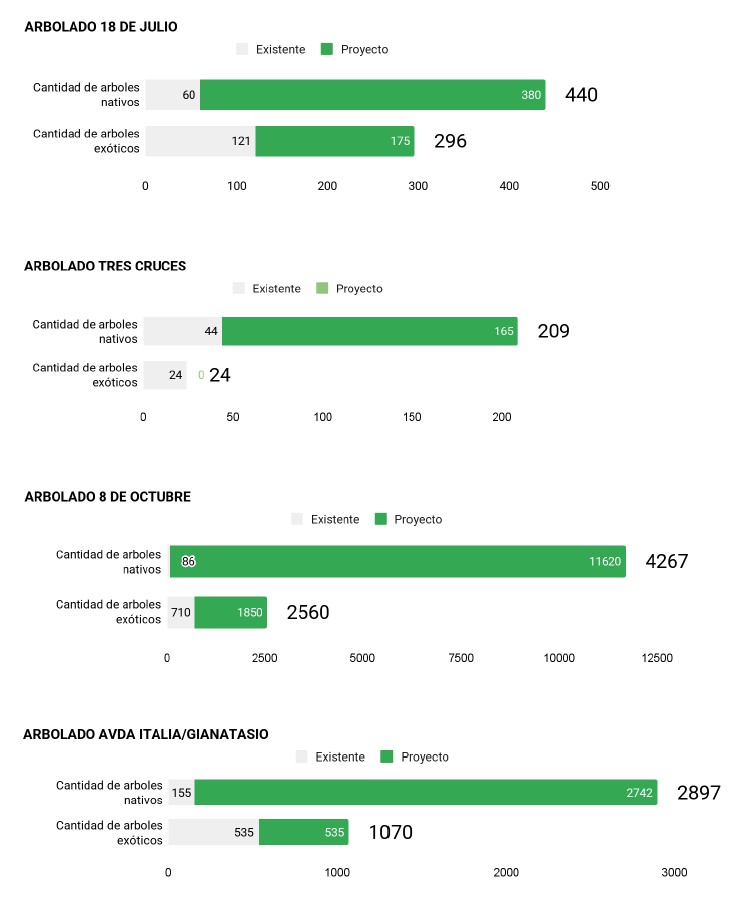
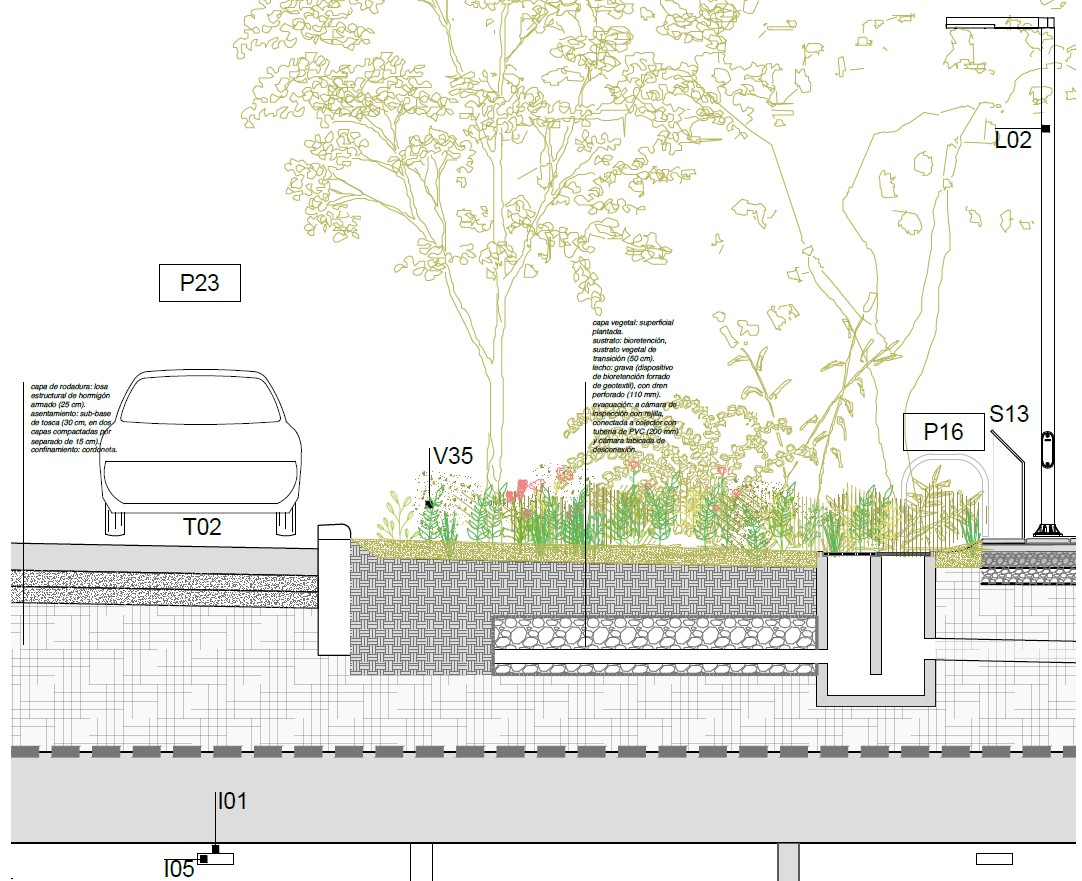
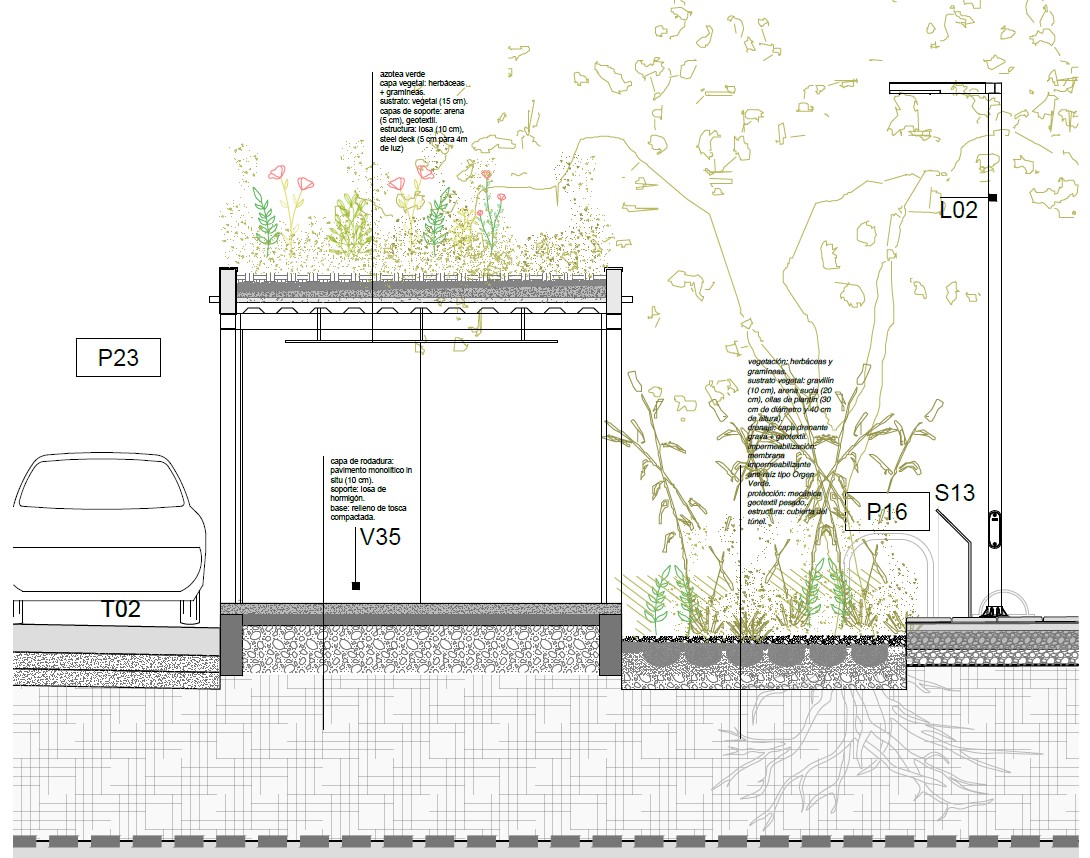
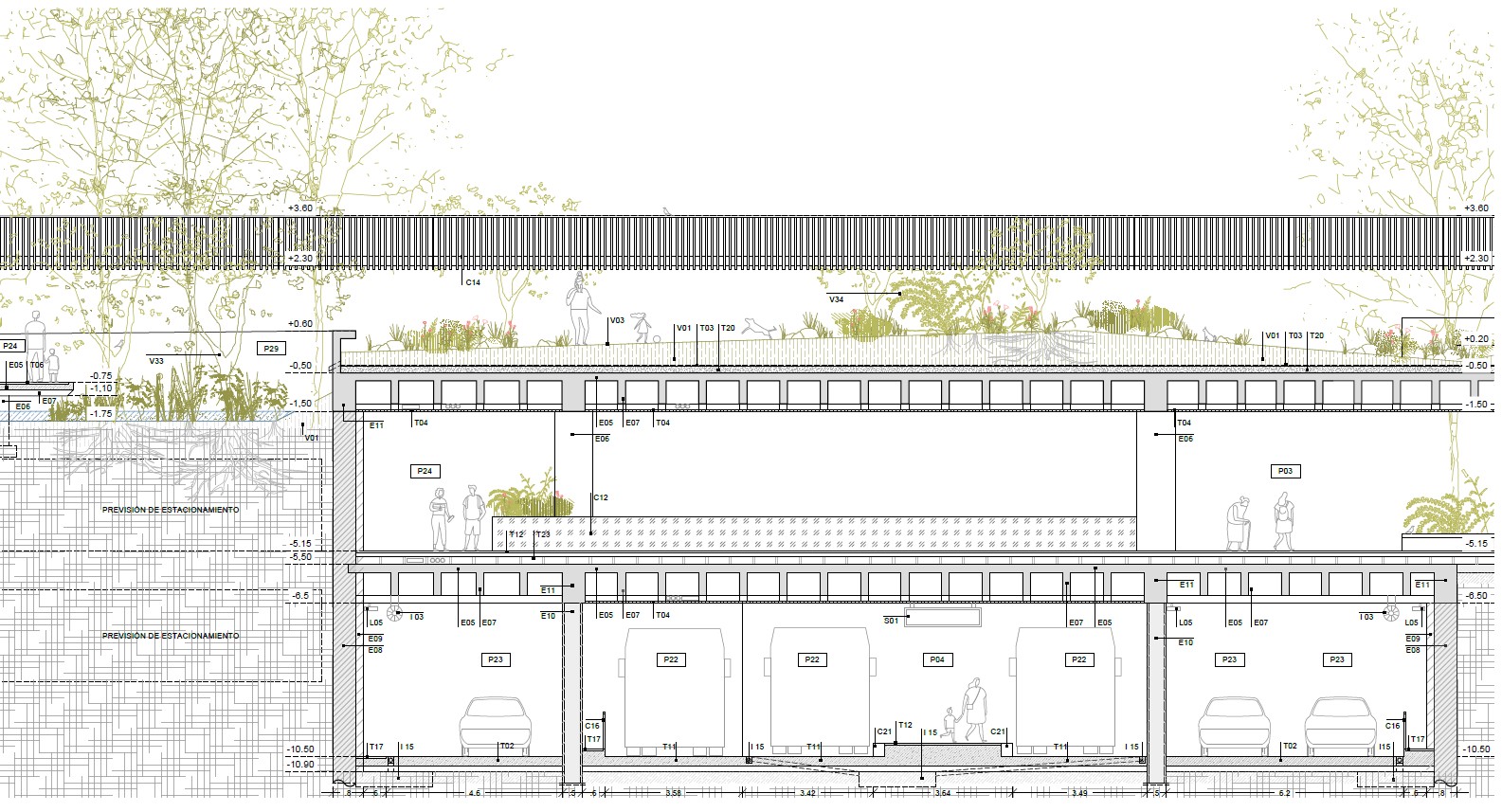
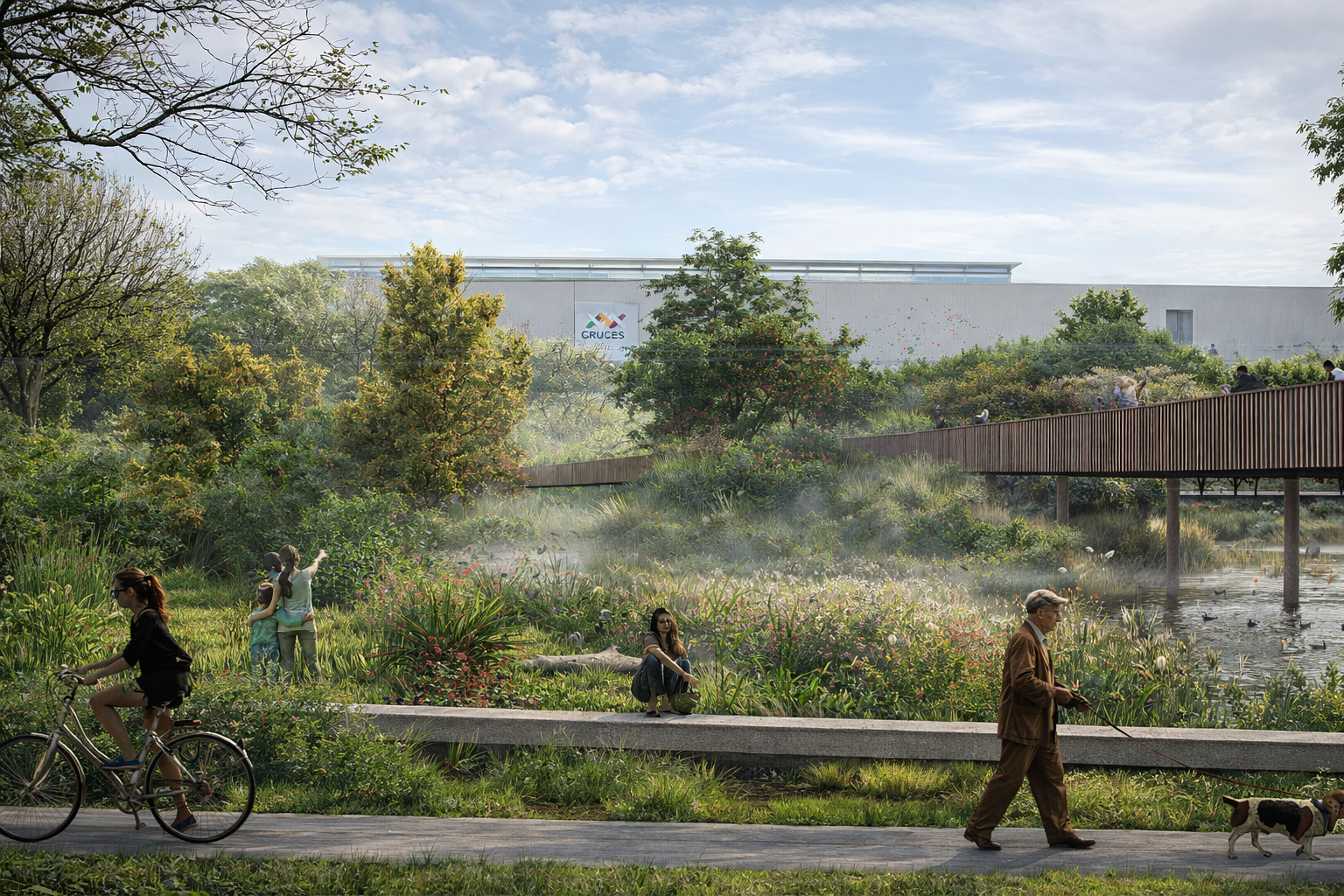
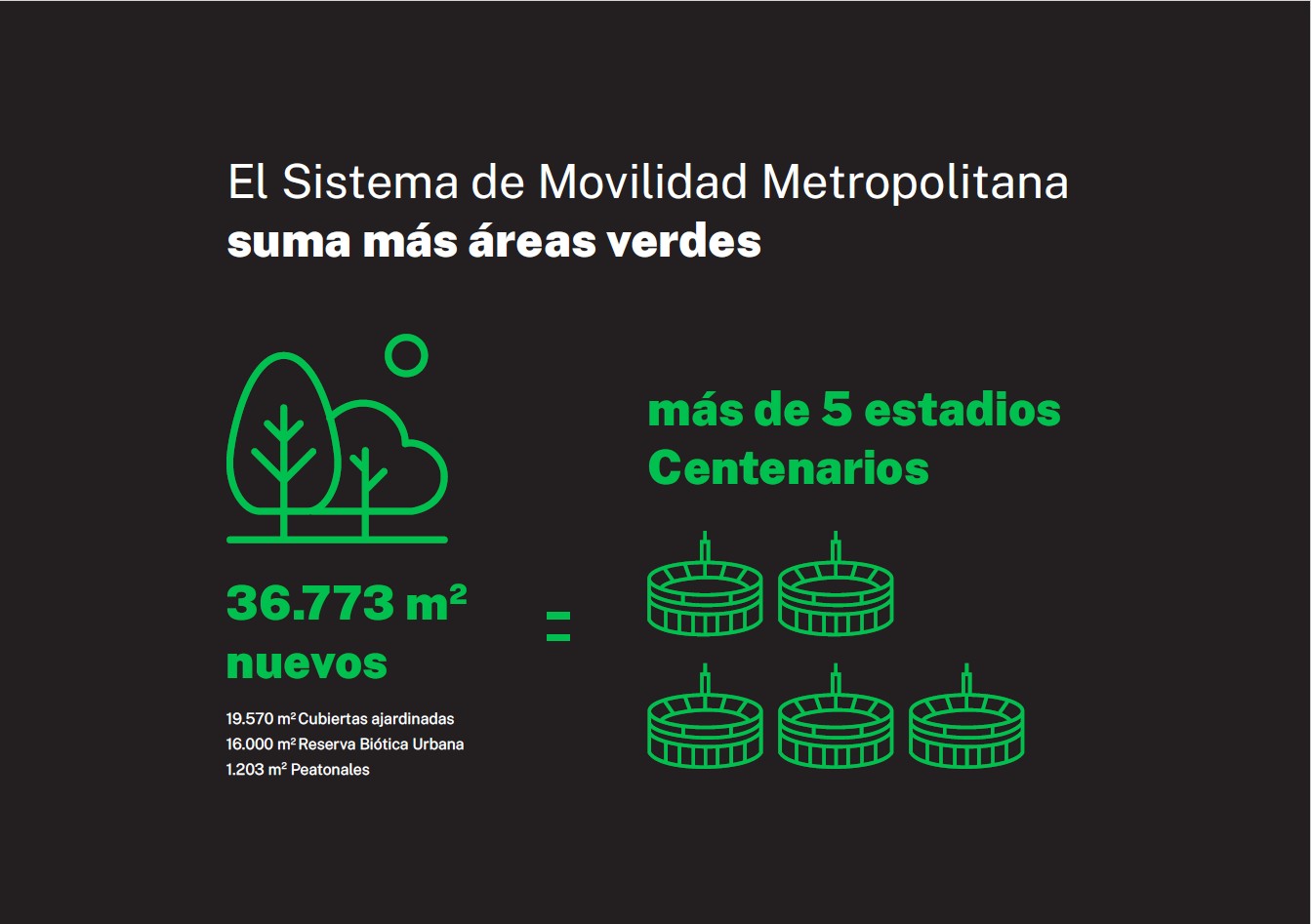
It incorporates Biotic Corridors and Sustainable Urban Drainage Systems (SuDS) to replicate natural hydrological cycles, manage stormwater, and mitigate the urban heat island effect—resulting in 36,773 m² of new green space and a 500% increase in tree canopy.
Additionally, Circular Economy principles guide material reuse, transforming construction waste into structural and ecological components. The system is supported by Environmental Financing models aligned with international Green Funds.
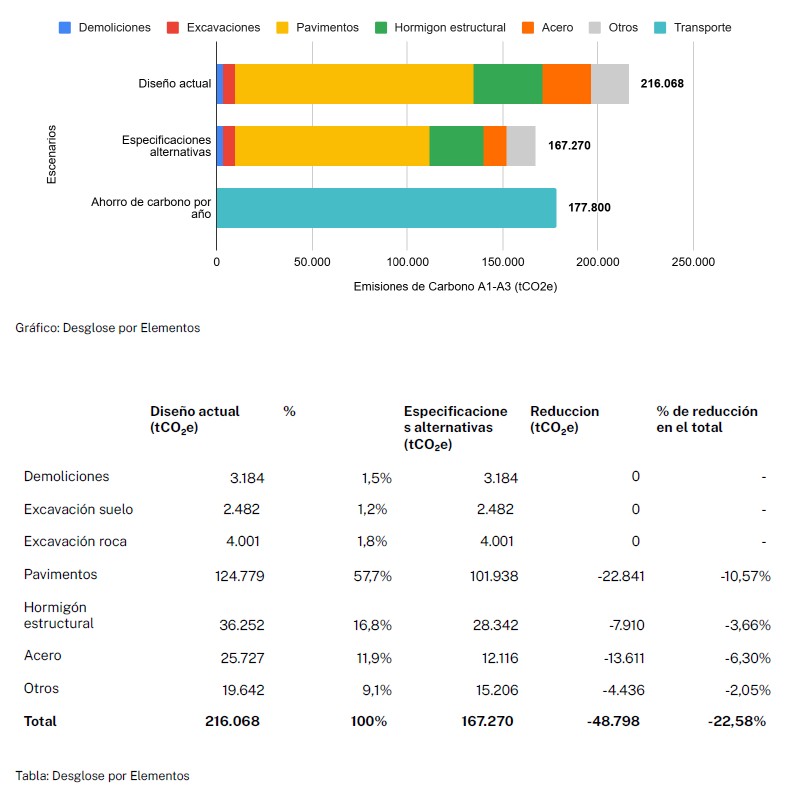
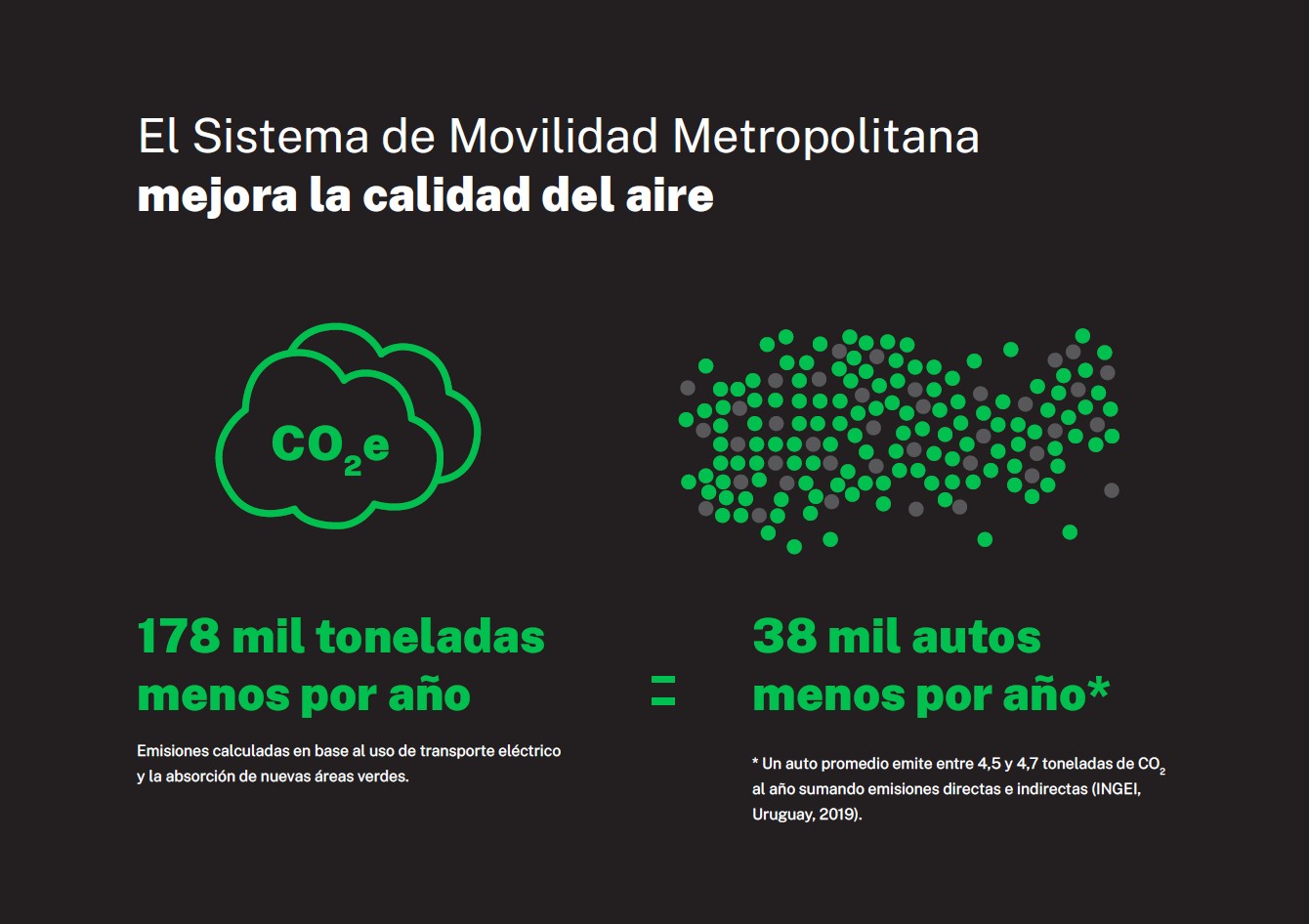
By reducing CO₂ emissions by an estimated 178,000 tonnes annually, the project establishes a resilient, nature-based model for metropolitan mobility.
Key Contributions
Cross-Disciplinary Coordination
Coordinated a multidisciplinary team across landscape, WSUD, and carbon assessment, integrating environmental systems into infrastructure design. Translated policy objectives into measurable, costed, and technically resolved outcomes, ensuring alignment across design, advisory, and delivery teams.
Regenerative Urbanism Strategy
Led the shift from conventional transport planning to a regenerative urbanism approach. Integrated Nature-Based Solutions (NbS) and biotic corridors, repositioning mobility infrastructure as ecological systems that restore urban environments. Defined strategies including biotic reserves and productive landscapes.
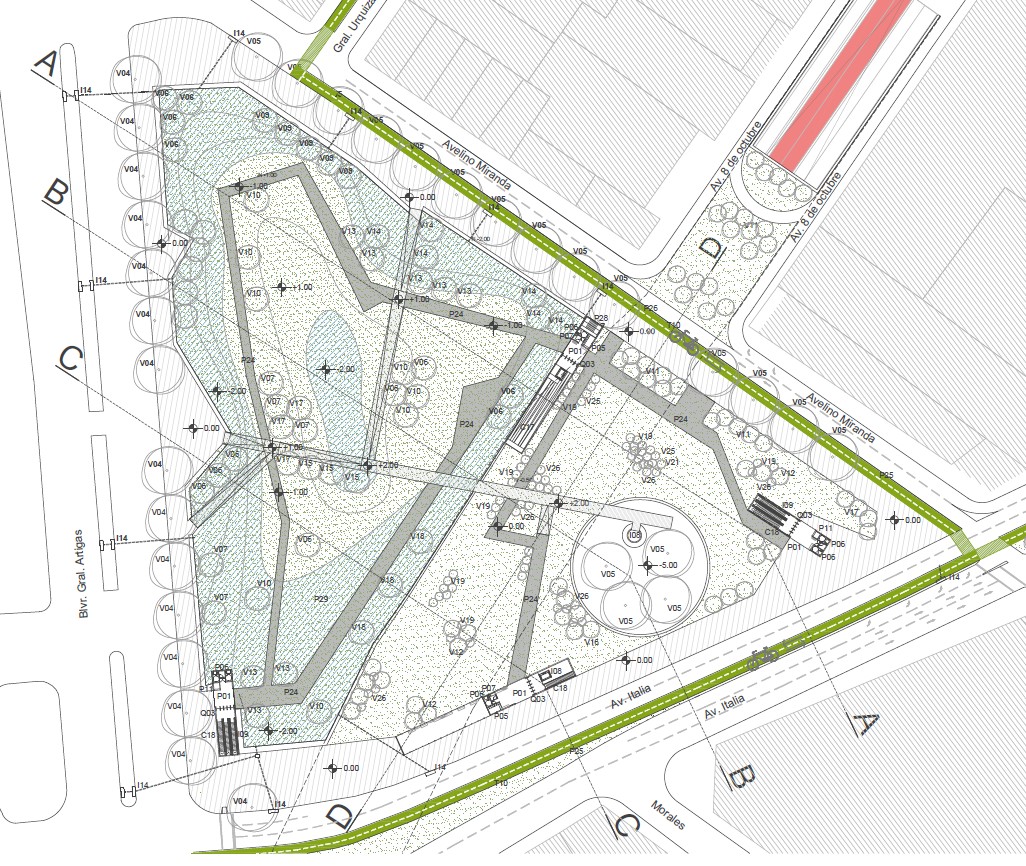
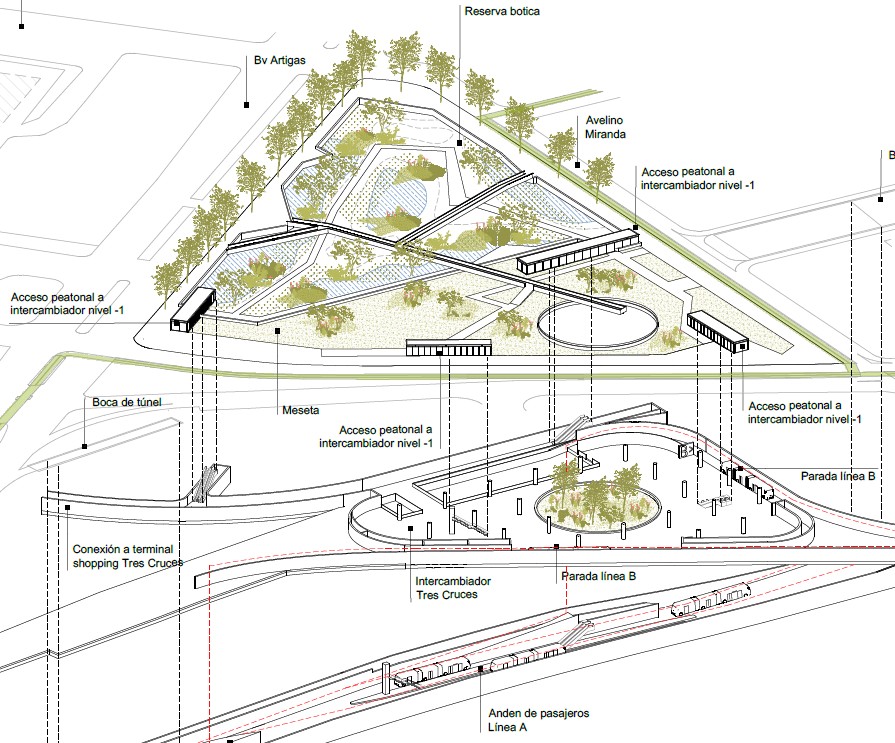
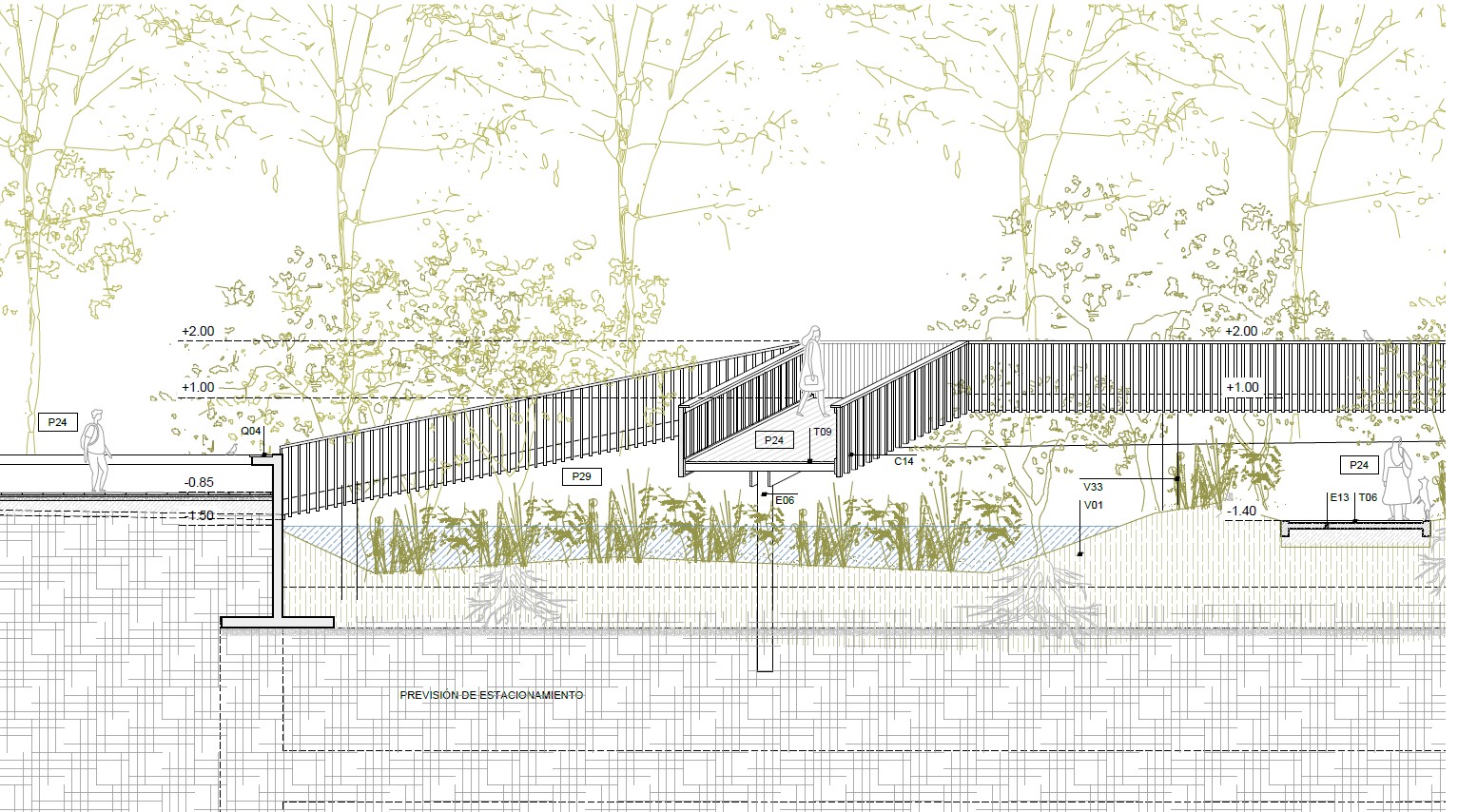
Urban Biotic Reserve – Tres Cruces
Delivered the strategy for a 22,000 m² Urban Biotic Reserve, incorporating constructed wetlands and native planting to manage stormwater, enhance biodiversity, and mitigate urban heat. Designed as a socio-environmental “living laboratory”.
Circular Economy & Waste Strategy
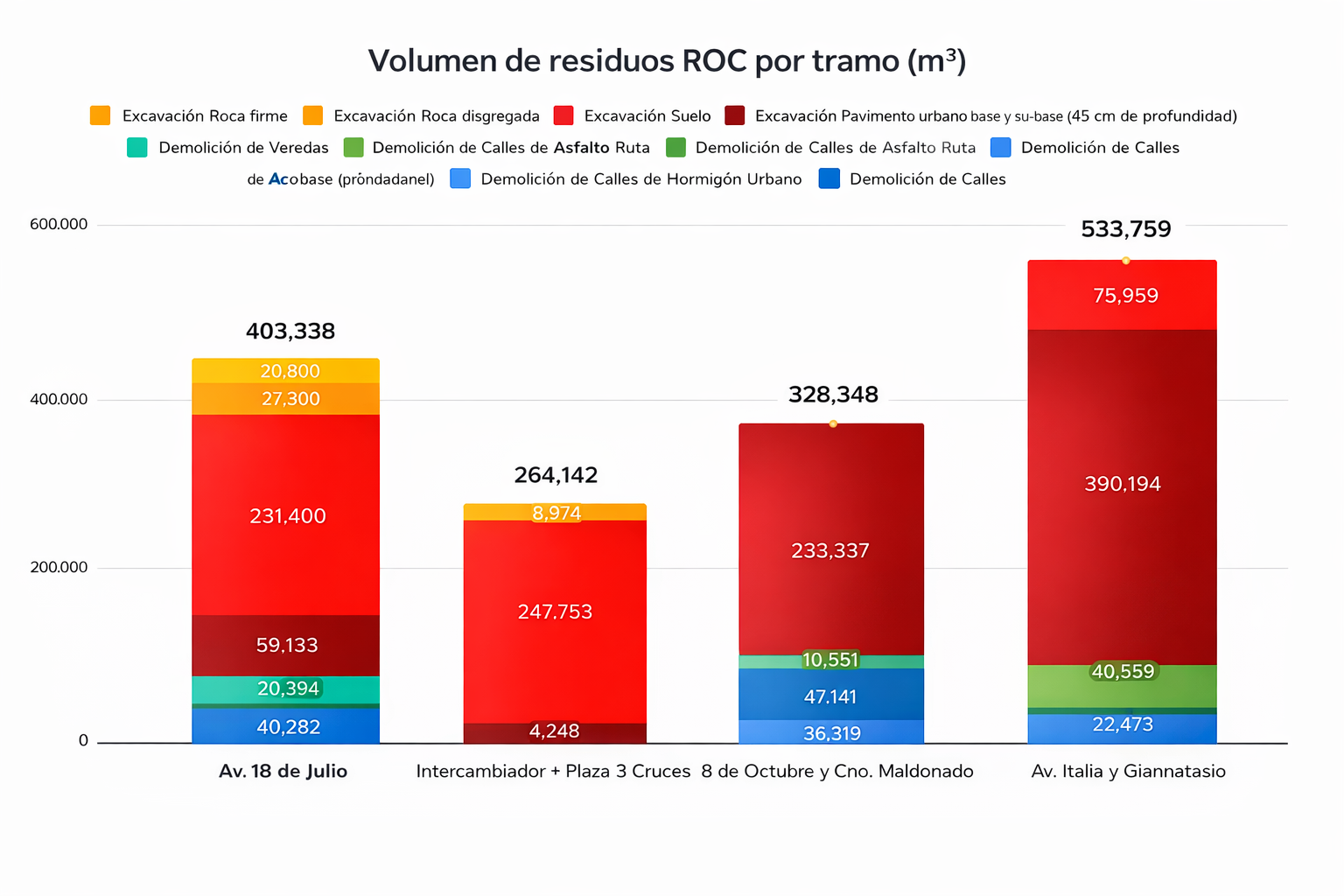
Developed an integrated construction and demolition waste (CDW) framework, enabling on-site reuse of materials as structural fill, recycled aggregates, and bioretention substrates, reducing embodied carbon.
Climate Finance Alignment
Aligned the project with international climate funding frameworks (GCF, GEF, BIOFIN), strengthening investment readiness and financial viability.
Climate Adaptation & Resilience
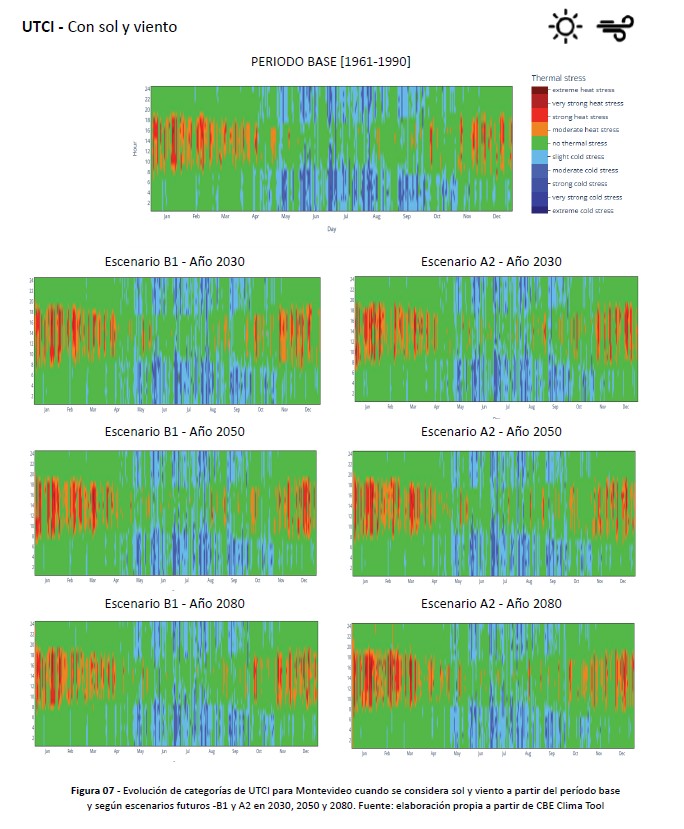
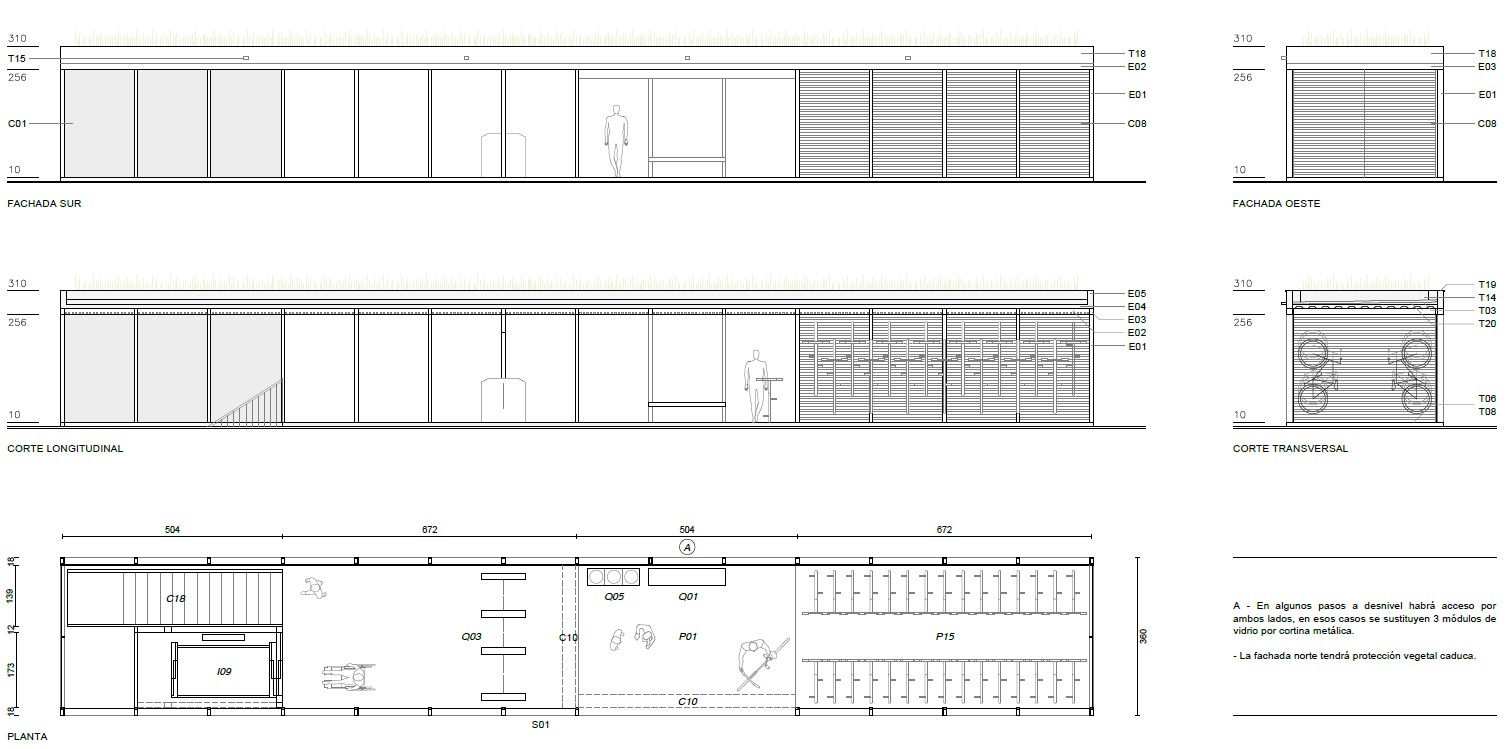
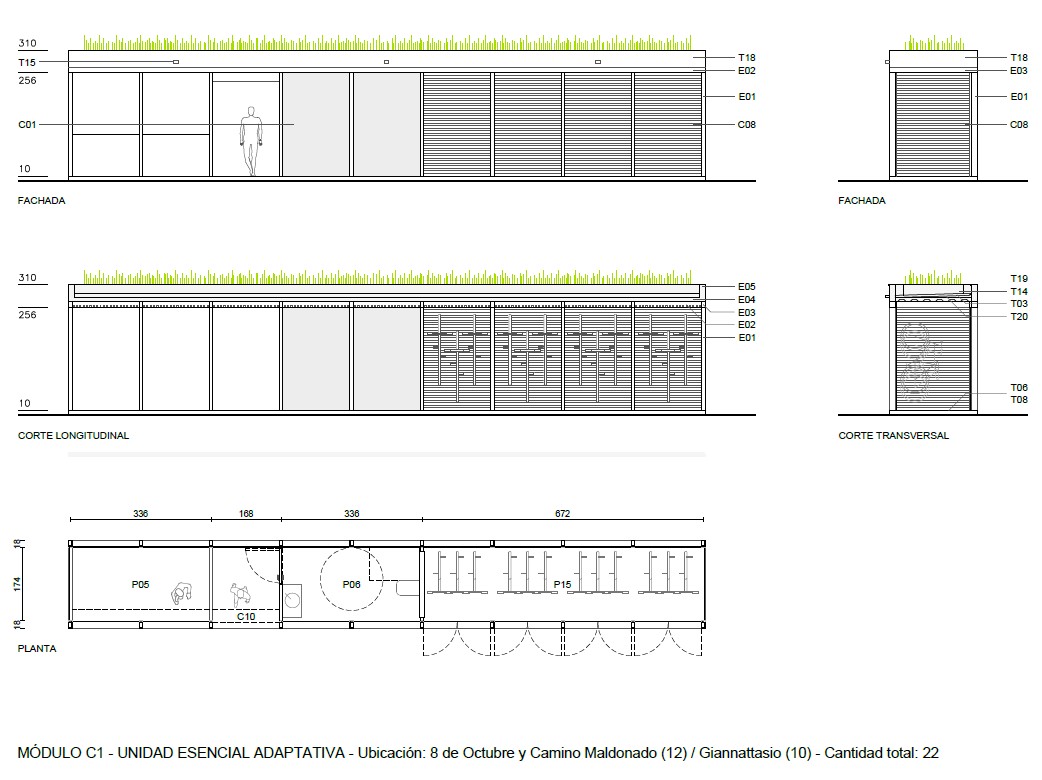
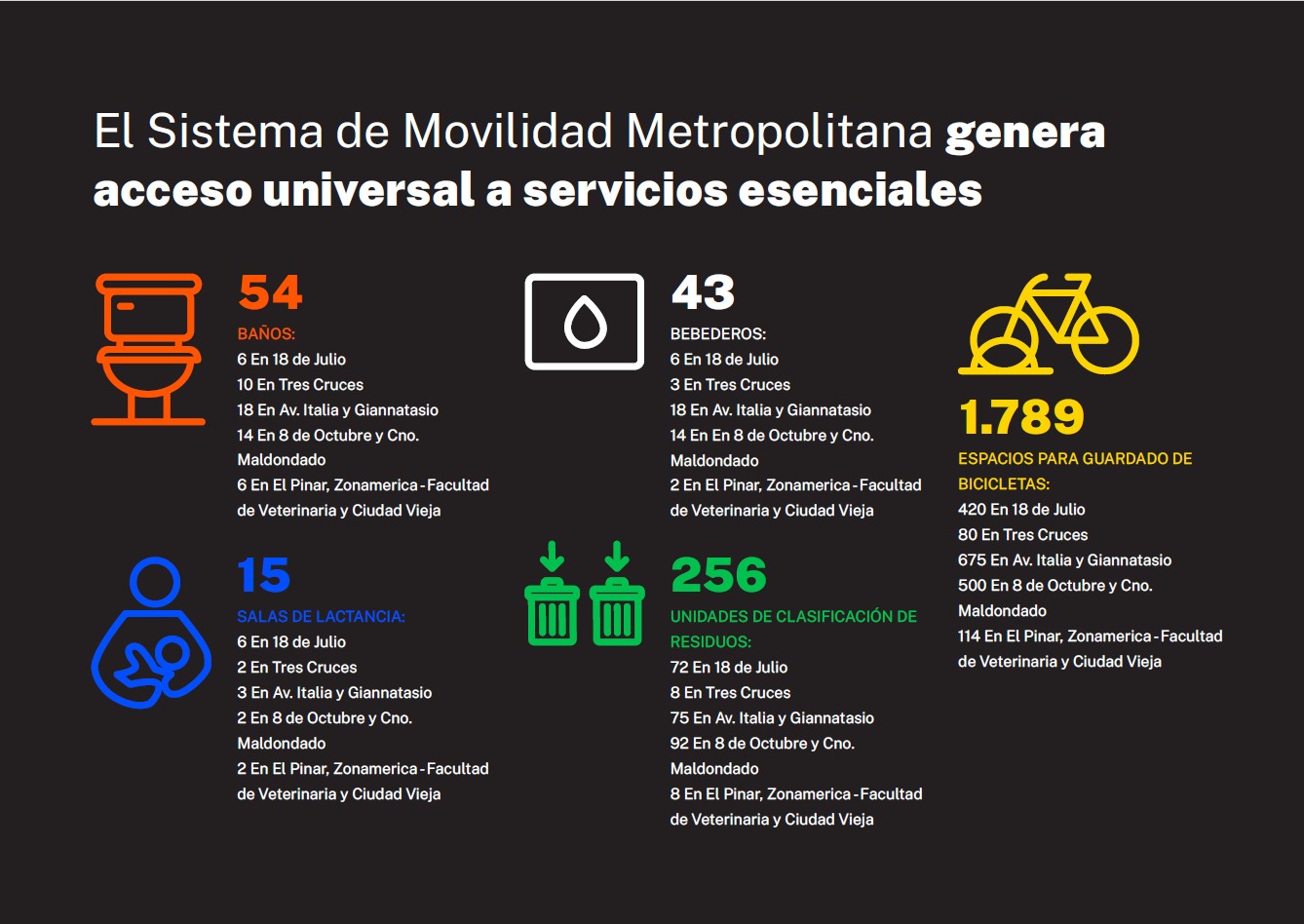
Integrated IPCC climate scenarios into design and developed Adaptive Essential Units—public infrastructure providing shade, hydration, and inclusive amenities to support resilience across mobility corridors.
Sustainability Benchmarking
Applied global frameworks including Green Star – Communities, LEED for Cities, and WELL to guide performance in liveability, health, and environmental outcomes.
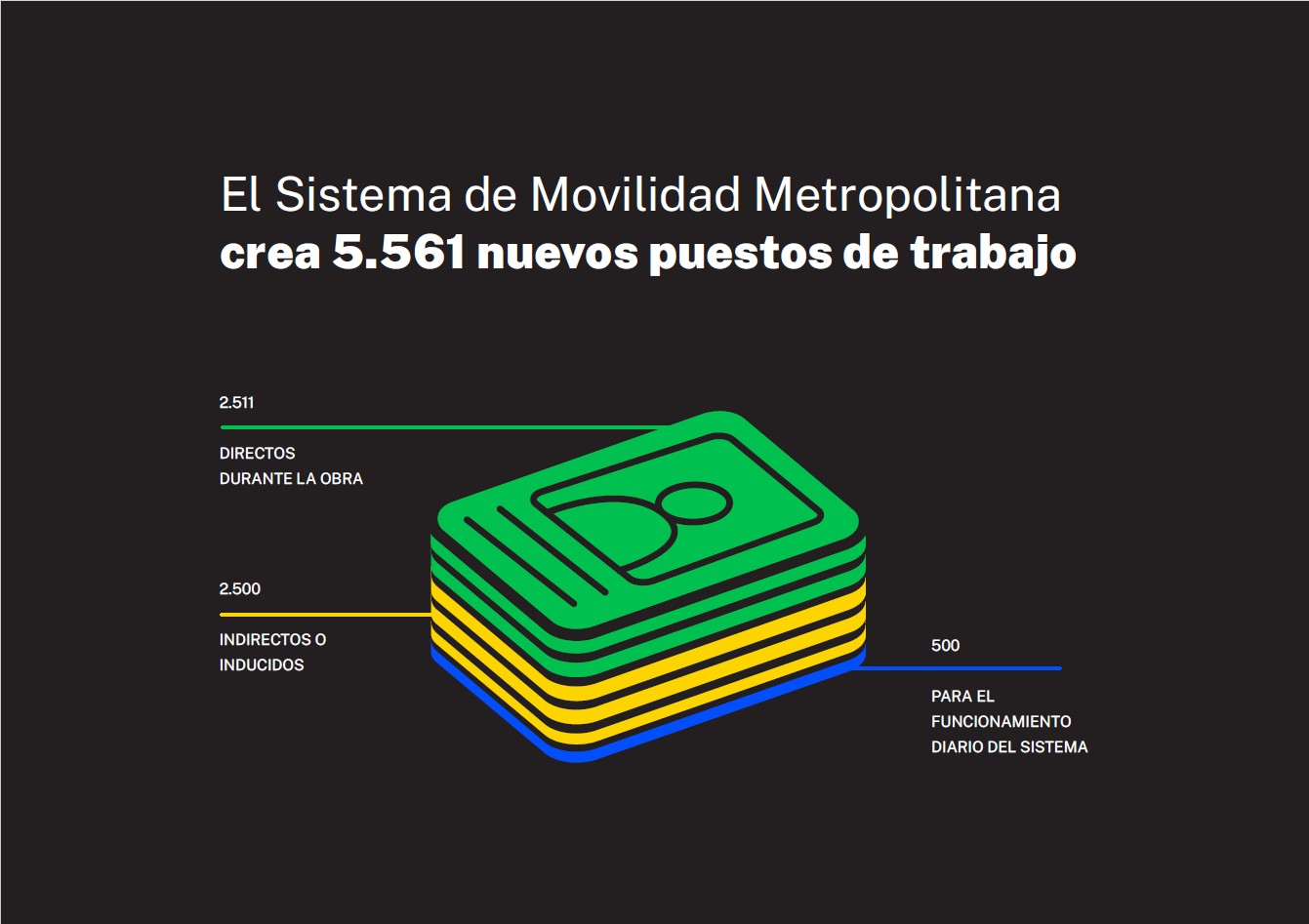
Project Outcome & Impact
Ecosystem Restoration & Climate Resilience
Decarbonisation & Circular Economy
Strategic Financing & Economic Value
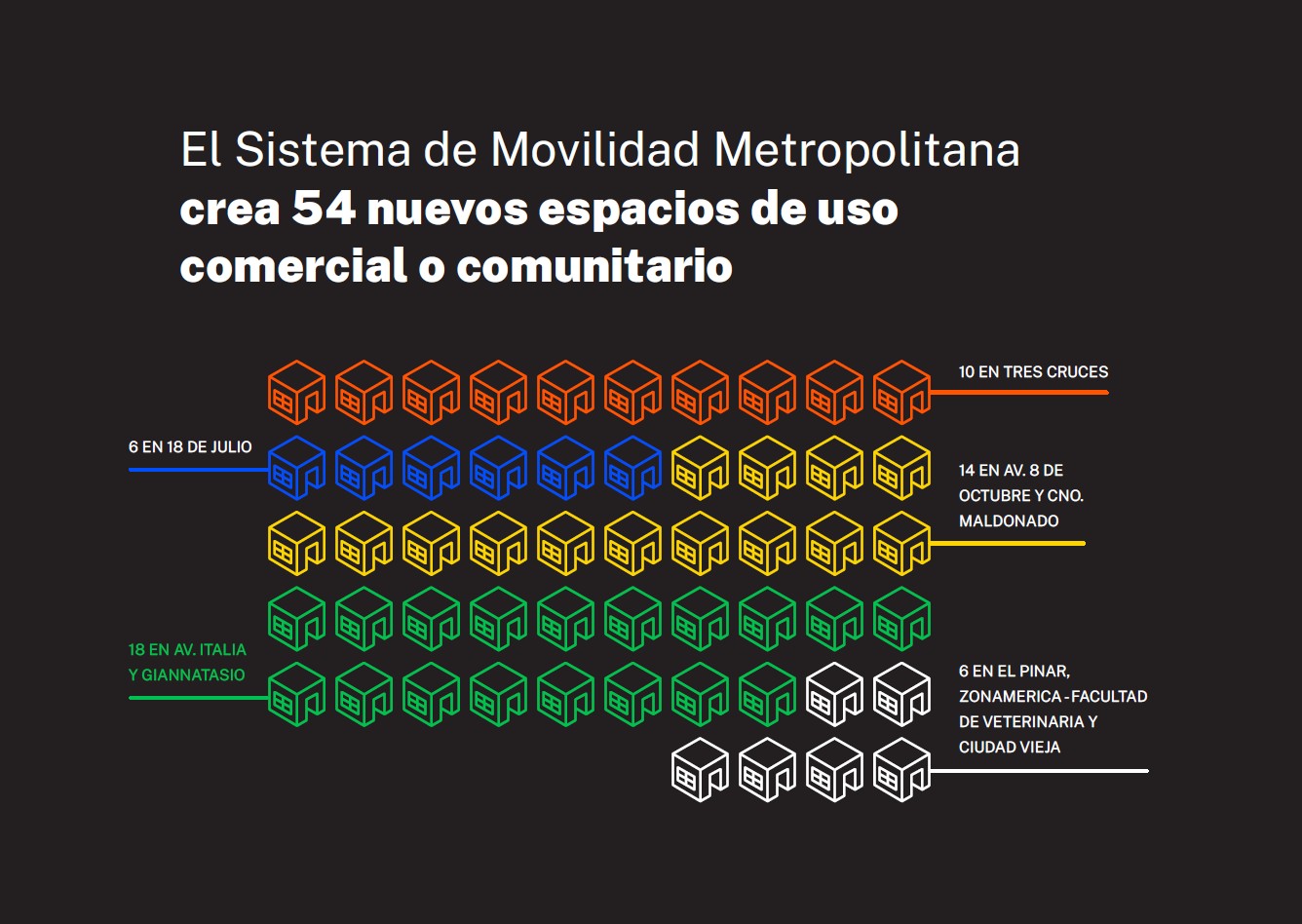
Social Equity & Inclusive Infrastructure